
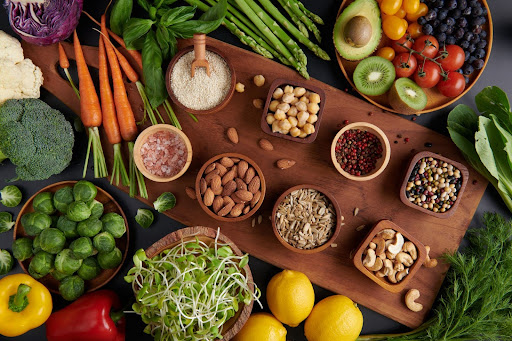
Helping clients build a daily eating pattern that nourishes the mind
If there is one thing every client should understand, it is this: the brain is a living, energy-hungry organ that needs high-quality fuel, not just calories.
Nutrition can influence mood stability, memory, attention, stress resilience, inflammation and cognitive performance. Unlike genetics or past experiences, it is also something clients can improve starting today.
Below is a practitioner-level overview of Evidence-Based Brain Foods that repeatedly show up in research on emotional wellbeing, memory and cognitive function, plus practical ways to help clients apply them in everyday meals.
Why dietary patterns matter more than any single “superfood”
Before looking at individual foods, it helps to highlight one core principle: brain health is shaped by dietary patterns, not isolated ingredients.
Eating patterns most associated with better mental health tend to share three features:
- A high intake of whole foods
- Regular sources of omega-3s, antioxidants and fibre
- A low reliance on ultra-processed foods
Once clients understand this, they often stop searching for a “magic” food and start building consistent meals that nourish the brain day to day.
The most research-supported brain foods

Lorem ipsum dolor sit amet, consectetur adipiscing elit. Ut elit tellus, luctus nec ullamcorper mattis, pulvinar dapibus leo.
Fatty fish: omega-3 foundations for mood and cognitive clarity
Fatty fish such as salmon, sardines, anchovies, trout and mackerel provide EPA and DHA, two omega-3 fats involved in mood regulation, neurotransmitter function, anti-inflammatory processes and the structure of neural membranes.
Many clients do not consume enough omega-3s. Low intake is associated with poorer mood outcomes and reduced cognitive performance in a range of studies.
Practitioner guidance
- Encourage 2 to 3 servings per week
- For non-fish eaters, consider algae-based DHA
- Explain that omega-3 intake is foundational, not optional, for many clients
Leafy greens: micronutrients that support brain function
Spinach, kale, Swiss chard, rocket and other leafy greens provide folate, magnesium, vitamin K and a broad range of antioxidants. In research, higher leafy green intake is often linked with better long-term cognitive outcomes.
Ways to help clients use them
- Add to eggs
- Blend into smoothies
- Stir into soups
- Use as a base for bowls
A simple “handful rule” works well: add one handful of greens to at least one meal per day.
Berries: antioxidant support for memory and learning
Blueberries, strawberries, raspberries and blackberries contain flavonoids that support neuronal protection, learning and memory, while also helping to manage inflammation.
Even one or two servings per week can be beneficial.
Practical tip
Pair berries with nuts, seeds or yogurt to support more stable blood sugar.
Eggs: choline-rich support for focus and memory
Eggs, particularly the yolks, are one of the best dietary sources of choline. Choline supports acetylcholine production, a neurotransmitter involved in memory, learning, attention and motivation.
Many people fall short on choline intake, especially when eggs are avoided.
Ways to include eggs
- Scrambled eggs at breakfast
- Boiled eggs as a snack
- Added to bowls or stir-fries
Nuts, seeds and healthy fats: steady fuel for the brain
The brain is largely made of fat, so the quality of dietary fats matters. Healthy fats support steadier energy, reduced inflammation and better mood regulation.
Helpful sources
- Walnuts
- Almonds
- Pumpkin seeds
- Flax and chia seeds
- Avocados
- Extra virgin olive oil
Encourage clients to add a small handful of nuts or seeds to meals daily.
Dark chocolate (85 percent or higher): a small cognitive enhancer
Dark chocolate contains flavonoids that may support blood flow to the brain and can contribute to attention and mood.
Best practice
Keep portions modest to avoid blood sugar spikes, such as one to two squares after a meal.
Putting it all together: how practitioners can guide clients
Nutrition changes stick when clients have simple steps they can repeat. Here are practical strategies that make Evidence-Based Brain Foods easy to apply.
1. Build a daily “brain bowl”
A brain bowl includes leafy greens, protein, healthy fats, plus berries or colourful vegetables. For many clients, one consistent meal like this improves energy and mental clarity.
2. Start the morning with a brain-friendly meal
Morning blood sugar stability can shape the rest of the day. Options include eggs, oats with nuts and berries, or smoothies with greens and seeds.
3. Keep supportive snacks readily available
Clients are less likely to rely on ultra-processed foods when nutritious snacks are convenient. Options include almonds, pumpkin seeds, berries, boiled eggs, yogurt, or fruit with nut butter.
4. Swap processed dressings for olive oil
Store-bought dressings can be high in refined oils. Suggest olive oil with lemon, herbs or tahini as a simple alternative.
5. Hydration matters for mental performance
Even mild dehydration can affect cognition. Encourage regular water intake, herbal teas and reduced sugary drinks.
Eating for brain health is about intention, not perfection
Clients do not need a perfect diet. They need consistency and awareness. When they understand how food influences mood, memory and resilience, they make more empowered choices.
The principle is simple: food is information for the brain. Choosing Evidence-Based Brain Foods consistently can be one of the most practical and effective supports for long-term cognitive health.