1. What brought you to study Holistic Nutrition at IHN?

Becoming a mother was the turning point that brought me to holistic nutrition. Motherhood awakened a deep protectiveness in me — not just for my children’s health, but for the environment and pace of life they would grow up in. I found myself returning to my roots, slowing down, and creating a home where nourishment, calm, and intention were at the centre of daily life.

Along the way, I rediscovered my love for traditional food wisdom and the science behind it. I come from a family of Ayurvedic doctors, so I was raised with a very different understanding of food, lifestyle, and healing. Those were simple, grounded days, and I wanted my children to grow up with that same sense of connection.

And somewhere in this journey, I also reconnected with my passion for cooking — not just as a skill, but as a creative, expressive, grounding practice. Cooking became the place where culture, memory, and care came together for me. I started an Instagram page called Sacred Cookery, where I share the history behind traditional dishes and the deep wisdom they carry. It became a space for me to explore how food holds stories, rituals, and ancestral knowledge, and how important it is to be mindful of that.

What began as learning for my children quickly became a passion of my own. I started searching for a program that honoured both traditional knowledge and modern, researchbased science. IHN’s diploma program felt like it was designed exactly for that purpose.

It aligns perfectly with my longterm vision: to eventually bring together ancient medicinal wisdom, cultural food rituals, and my love for cooking into something meaningful — perhaps a book, or a healing supper club. My ideas are still taking shape, but my passion keeps growing stronger.

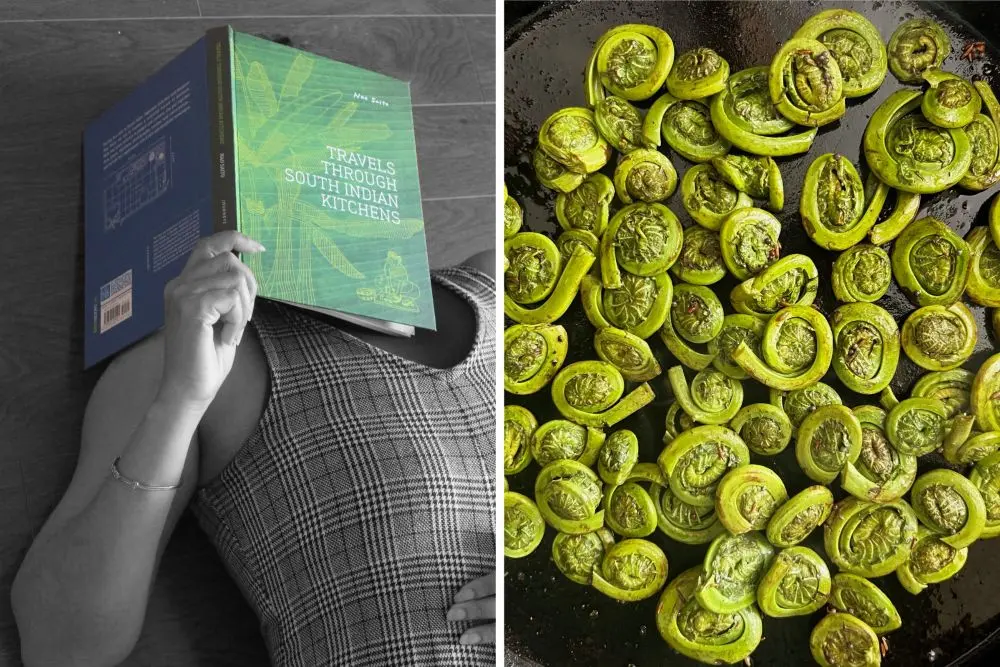
Anupama Kakarala reading a South Indian cookbook alongside fresh green vegetables used in traditional home cooking.

2. What professions have you worked in prior to enrolling at IHN?

Before enrolling at IHN, I worked as an Architectural Designer. I completed my Bachelor of Architecture in India and later moved to the United States to pursue a Master’s degree in Interior Architecture. My career took me across countries — from India to Singapore and then to Canada after my first child was born — giving me the chance to work on diverse residential and commercial projects.

Even while designing buildings, I was always drawn to food, nutrition, and the idea of creating environments that support well‑being. When I moved to Canada, my path took an unexpected but meaningful turn. I began working at a greenhouse design consulting firm, where I was introduced to food production on an agricultural scale. It was a fascinating blend of design, engineering, and the science of growing food — and it deepened my appreciation for how environments can support nourishment and well‑being.

Around the same time, I began volunteering at EcoSource community gardens, where I learned to grow food at a community level. That experience was deeply meaningful; it grounded me, connected me to the land, and sparked deeper questions about nourishment, healing, and the role of food in our lives.

When I first enrolled at IHN, I began on the self‑paced path while juggling school with a full‑time job. Over time, that quiet interest grew into a calling, and I realized I wanted to immerse myself fully in this new direction. Last summer, I made the decision to step away from my architectural career so I could fast‑track my studies at IHN. It has been one of the most fulfilling transitions of my life.

3. What degrees or academic achievements did you have prior to IHN?

I hold a Bachelor of Architecture from India and a Master’s degree in Interior Architecture from the United States. During my graduate studies, I was selected for a scholarship opportunity to present my research at Hanyang University in South Korea, which broadened my academic perspective. More recently, I became a BCIN‑registered independent designer in Ontario and completed additional training to support my work in residential design.

4. What are your goals and aspirations as a CNP?

Only recently have my goals as a future CNP become clear. During my co‑op with herbalist Susan Elliotson in Caledon, I discovered how deeply I resonate with herbal medicine. It felt like coming home to something I didn’t realize I had been missing. I want herbal medicine to be a central part of my work as a nutritionist, and I hope to continue studying it further and earning additional training in that field.

My long‑term vision is to bring together traditional food wisdom, herbal knowledge, and therapeutic nutrition in a way that feels warm, communal, and deeply nourishing. I want to create a “healing supper club” — a space where food truly becomes medicine. Each gathering would focus on a specific area of support, such as blood sugar balance, gut repair, hormone health, or inflammation. Through traditional cooking practices, seasonal rhythms, and a gentle therapeutic approach, I want to help people experience how food can restore the body naturally.

I also imagine this space evolving into workshops and hands‑on sessions where people can learn practical tools to bring healing into their everyday lives. My hope is to create a community where nourishment, learning, and connection come together — a place where people feel supported, empowered, and inspired to care for themselves through food and herbs.
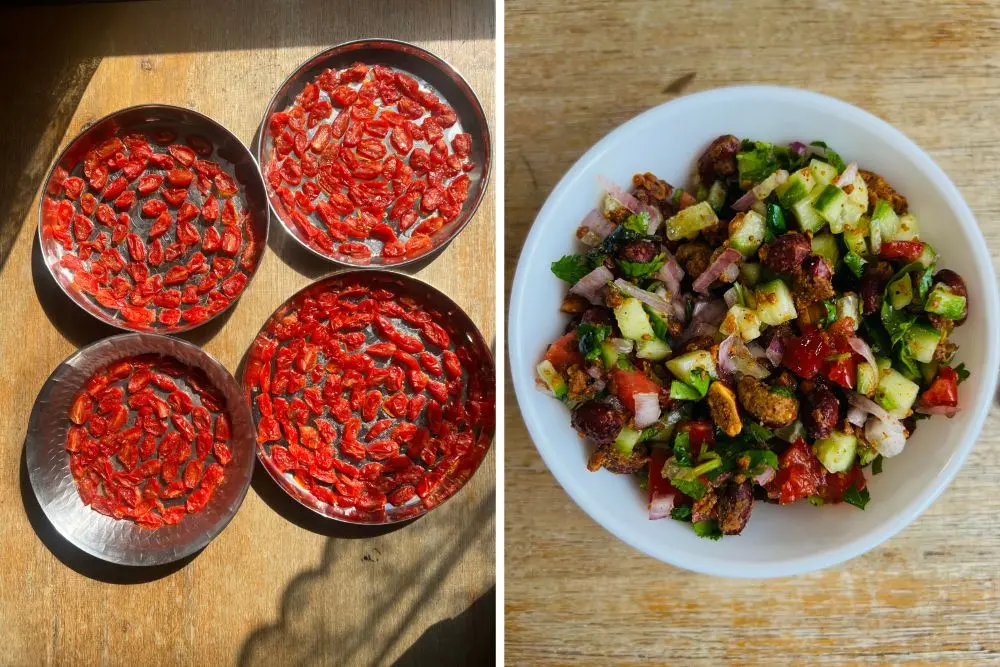
Sun-dried tomatoes and a colorful homemade vegetable dish prepared with fresh ingredients and traditional cooking inspiration.

[I would also like to mention that one of the images I’m including is a small idol of Goddess Annapurna. Annapurna represents nourishment and the sacredness of food in my culture. She reminds me that feeding others is an act of care, not just a task — which is at the heart of everything I do.]
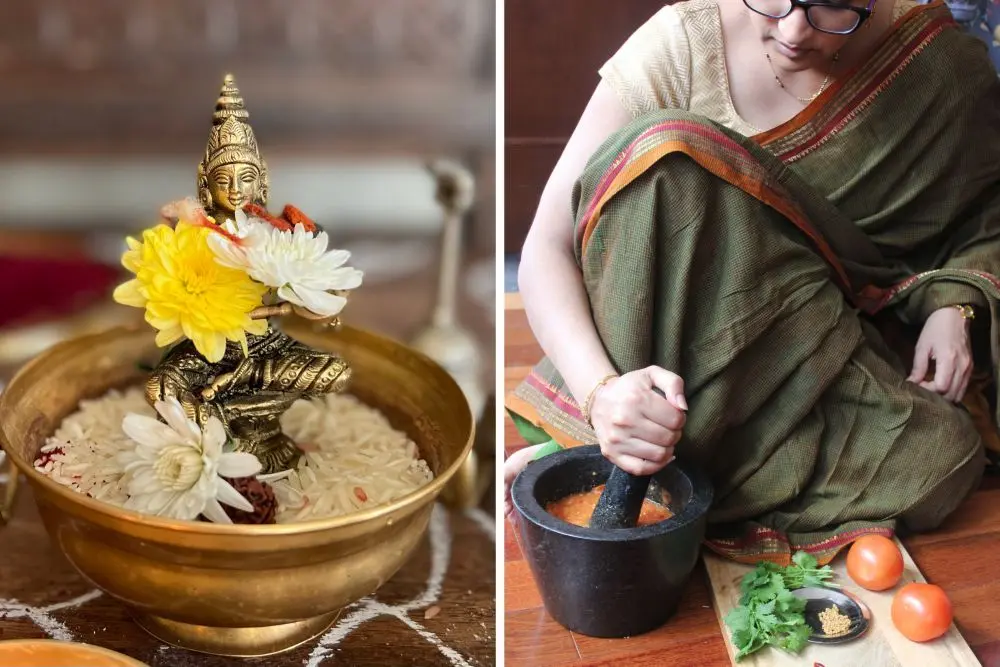
Traditional South Indian cultural display with flowers and Anupama Kakarala preparing fresh ingredients using a mortar and pestle.

5. What has been your personal best achievement?

One of my greatest personal achievements has been learning to slow down and intentionally reshape my priorities. For a long time, I believed — as many of us do — that constant busyness and career success were the markers of a meaningful life. I grew up thinking that achievement, especially for women, was the only path to respect and independence. It took a lot of unlearning to realize that true success is about balance, health, and living in alignment with what matters most.

Choosing to step away from that fast‑paced norm required difficult decisions, both financially and professionally. But it also allowed me to reclaim my time, my well‑being, and my sense of purpose. Creating a life that is slower, more intentional, and centred around nourishment — for myself and my family — is something I am deeply proud of. It has shaped who I am today and continues to guide the work I hope to do as a practitioner.

6. What is something you overcame in your life, that you didn’t think you could?

One of the biggest things I’ve had to overcome is imposter syndrome. For many years, I carried the belief that I needed to know everything about a subject before I could feel competent or successful. It made me doubt myself, question my abilities, and underestimate the value of what I already knew. Now, I’m learning to trust my curiosity, my lived experience, and the process of growing. Overcoming that internal barrier has been one of the most empowering shifts in my life.

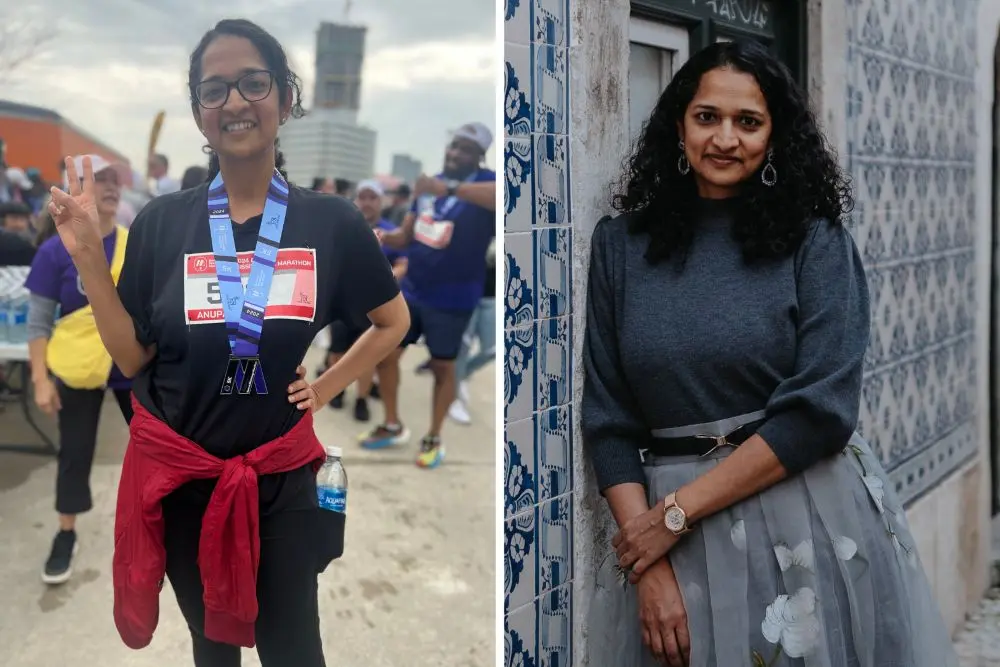
Anupama Kakarala celebrating after completing a marathon, alongside a portrait capturing her personal style and everyday moments.

7. What is something about you that would surprise people?

I analyze and translate Telugu (my native language) poetry for fun — especially similes. I love taking a single line and unpacking the emotion, the rhythm, the cultural layers inside it. I can spend an hour dissecting one simile. I am deeply aware of how powerful words are — how a single phrase can shift emotion, create an image, or change the way someone feels. We use language every day, but I think we often forget the quiet magic it carries.

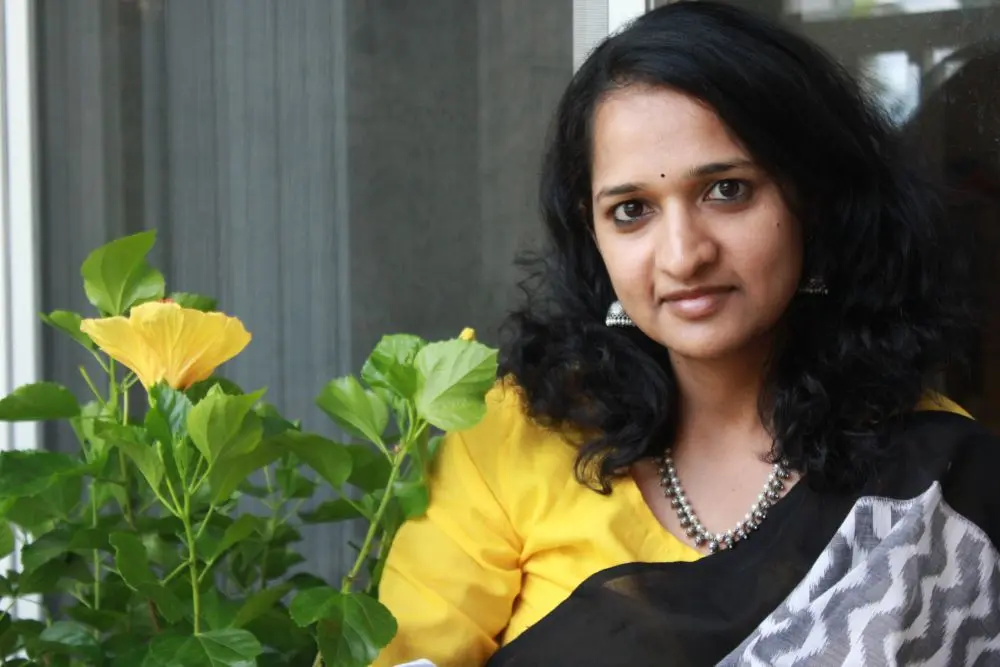
Anupama Kakarala posing beside a blooming yellow hibiscus plant, highlighting her connection with gardening and nature.

8. Is there anything you would like to share about your experience at IHN so far?

One of my favourite courses at IHN — aside from Herbal Medicine — has been Symptomatology. It was the first course that showed me the true scope of what a nutritional practitioner can do. It felt like a window into the real world of practice. I loved how clearly the course was structured: learning to read symptoms, understand root causes, and use the right resources to support clients.

For the first time, I didn’t feel like “just a student.” I felt like a practitioner. The course gave me the confidence that this path is real, that I can do this work, and that I’m capable of supporting people in meaningful ways. It was a turning point for me — the moment I could truly see myself as a holistic nutritionist.