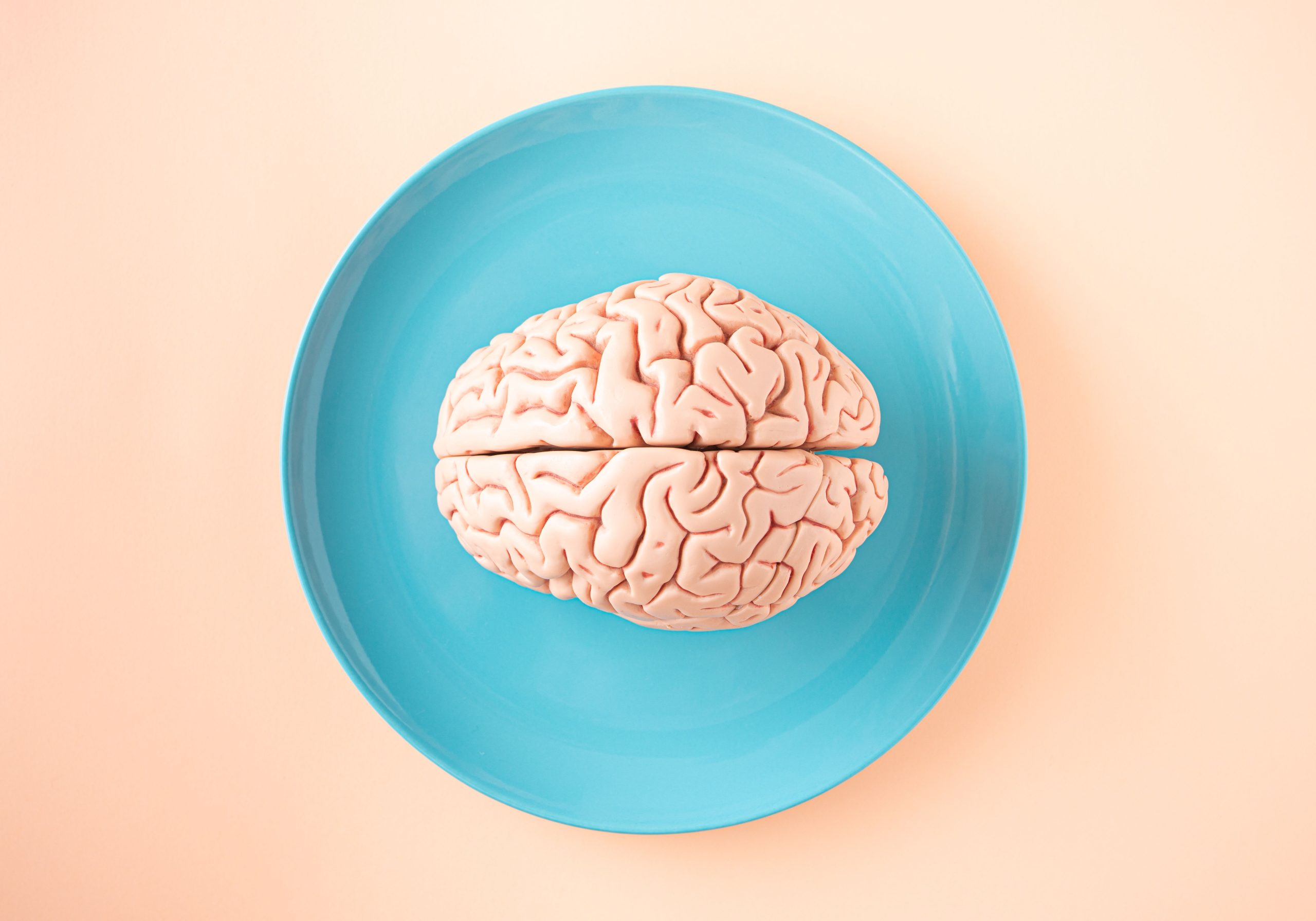
Before the brain can regulate emotion or maintain attention, it must first be structurally and biochemically supported, nutrition is not simply supportive, it is foundational.
When people think about supporting mental health through nutrition, the conversation often focuses on outcomes: improving mood, increasing focus, or reducing stress. But these outcomes are not where the process begins.
Before the brain can regulate emotion or maintain attention, it must first be structurally and biochemically supported. Every thought, reaction, and cognitive process depends on physical systems: cell membranes, signaling pathways, and tightly regulated nutrient delivery.
From this perspective, nutrition is not simply supportive; it is foundational. The brain relies on a continuous supply of specific nutrients to maintain its structure, protect its environment, and sustain communication between cells. This systems-based perspective is central to holistic nutrition training programs.
Omega-3 Fatty Acids and the Physical Structure of the Brain
One of the clearest examples of this structural dependency is the role of omega-3 fatty acids.
The brain is composed largely of fat, nearly 60%, and the composition of that fat directly influences how neurons function. One important fatty acid for brain function is docosahexaenoic acid (DHA). This primary omega-3 fatty acid is synthesized in very small amounts by our bodies and should be provided by our diet. Good sources include cold water fish and marine algae. DHA is a key component of neuronal membranes. These membranes are not passive barriers; they are active surfaces where communication happens.
Membrane fluidity determines how efficiently receptors respond to signals and how effectively neurotransmitters can bind and transmit messages. When the membrane structure is optimal, communication between neurons is more stable and responsive. When it is not, signaling efficiency can be affected.
Omega-3 fatty acids also contribute to signaling pathways that regulate inflammation. Rather than acting as simple “anti-inflammatory agents,” they are involved in producing compounds that help resolve immune activity once it has been activated. This regulatory role is essential in maintaining a balanced internal environment in the brain.
This dual function, structural and regulatory, illustrates how nutrition shapes both the architecture and operating conditions of neural systems.
Micronutrients and the Brain's Biochemical Activity
If omega-3s help form the structure of the brain, micronutrients help it function.
Vitamins and minerals are required for the enzymatic reactions that drive neurotransmitter production, energy metabolism, and cellular repair. These reactions occur continuously, supporting the brain's ability to generate and transmit signals.
For example, B vitamins are involved in energy-producing metabolic pathways as well as synthesis of neurotransmitters such as serotonin and dopamine. Magnesium contributes to the regulation of neuronal excitability, helping balance stimulation and recovery within neural networks.
These processes are interconnected. Neurotransmitter production depends on energy availability. Energy production depends on micronutrient-dependent pathways. This means that even subtle variations in nutrient availability can influence how efficiently these systems operate.
Rather than producing immediate or isolated effects, micronutrients shape the conditions under which brain activity occurs, affecting clarity, stability, and resilience over time.
Why Nutrient Delivery Matters: The Brain's Protective Barrier
Even when nutrients are present in the diet, they must still reach the brain.
The blood-brain barrier acts as a highly selective filter, regulating which substances can enter neural tissue. This system protects the brain from harmful compounds while ensuring that essential nutrients such as glucose and amino acids are delivered in controlled amounts.
Vitamins and other micronutrients rely on specific transport mechanisms to cross this barrier. Their availability within the brain is therefore determined not only by intake, but by how effectively these transport systems function. In addition, specific vitamins such as B-complex vitamins and vitamin D play a vital role in supporting and maintaining the structural integrity of the blood-brain barrier.
This adds an important layer to how nutrition is understood. Brain health is not simply a reflection of what is consumed; it is the result of coordinated processes that include digestion, circulation, and regulated delivery.
When these systems are functioning well, they help maintain a stable internal environment that supports consistent neural activity.
Protection, Repair, and the Brain's High Energy Demand
The brain is one of the most metabolically active organs in the body. This high level of activity produces reactive byproducts that must be carefully managed to prevent disruption to cellular structures.
Nutrients play a central role in maintaining this balance. Antioxidant systems help protect neuronal membranes and proteins from oxidative damage. Important antioxidants include vitamin C, vitamin D and the minerals selenium and zinc. At the same time, nutrient-derived compounds help regulate immune signaling within the brain. For example, omega-3 fatty acids and polyphenols (found in green tea and berries) help modulate the activity of brain immune cells such as microglia.
These protective processes are not separate from brain function; they are part of what allows it to function consistently. Without them, the efficiency of communication and energy production may be affected over time.
From Individual Nutrients to Dietary Patterns
While individual nutrients help explain specific mechanisms, they are rarely consumed in isolation. Whole foods provide complex combinations of fatty acids, vitamins, minerals, and bioactive compounds such as flavonoids and carotenoids that work together across multiple systems.
Dietary patterns that include a variety of whole foods, such as vegetables, fish, nuts, and minimally processed fats, support these systems simultaneously. They provide the structural components, cofactors, and regulatory compounds required for brain function.
This does not suggest that any single food determines mental health. Instead, it reflects how consistent dietary patterns contribute to the conditions that support cognitive and emotional processes.
Key Educational Takeaway
Brain function depends on more than isolated nutrients or short-term dietary changes. It is supported by an interconnected system that includes structural fats, biochemical cofactors, and tightly regulated nutrient delivery.

Omega-3 fatty acids contribute to the physical structure of neurons. Vitamins and minerals support the biochemical processes that drive communication. Transport systems ensure that these nutrients reach the brain in controlled and consistent ways.
Together, these elements create the foundation upon which cognitive clarity, emotional regulation, and mental resilience are built. Understanding this foundation provides a more complete perspective on how nutrition supports the brain, not as a quick intervention, but as a continuous, systems-level process.
- Brain Nutrition: A Life Span Approach. Annual Review of Nutrition. View source ↗
- The Role of Brain Barriers in Maintaining Brain Vitamin Levels. Annual Review of Nutrition. View source ↗
- Omega-3 Polyunsaturated Fatty Acids and Their Health Benefits. Annual Review of Nutrition. View source ↗
Why does brain health depend on structure, not just nutrients in the diet?
Why are omega-3 fatty acids so important for brain function?
What role does the blood-brain barrier play in nutrition?
Is this the kind of nutrition science taught in the IHN program?