Applied Iridology in Professional Practice CECIP

Instructor: Robert Tomilson R.BIE, RNCP

FORMAT: Online, LIVE
LOCATION:
Zoom Classroom
SESSIONS:
16 Tuesdays (48 hours)
DATES:
Feb 10, 17, 24 Mar 3, 10, 24, 31 Apr 7, 14, 21, 28 May 5, 12, 19, 26 Jun 2 | 2026
* No class on March 17 (March Break, Ontario)
TIME:
6:30 – 9:30 pm Eastern / 3:30 – 6:30 pm Pacific

FEE:
$1200 + HST
REQUIRED DIGITAL COURSE NOTES:
$60 + GST   
REGISTRATION DEADLINE:
February 1, 2026

Course Description

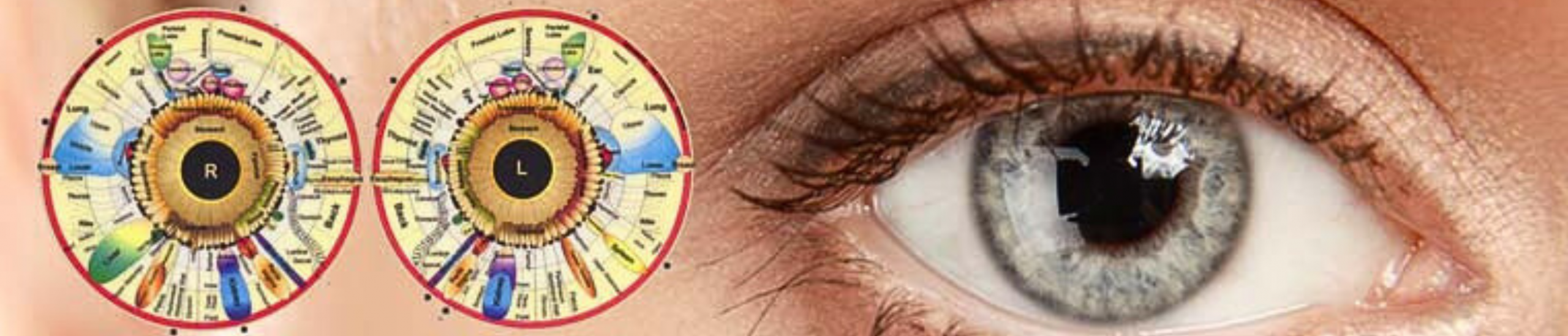
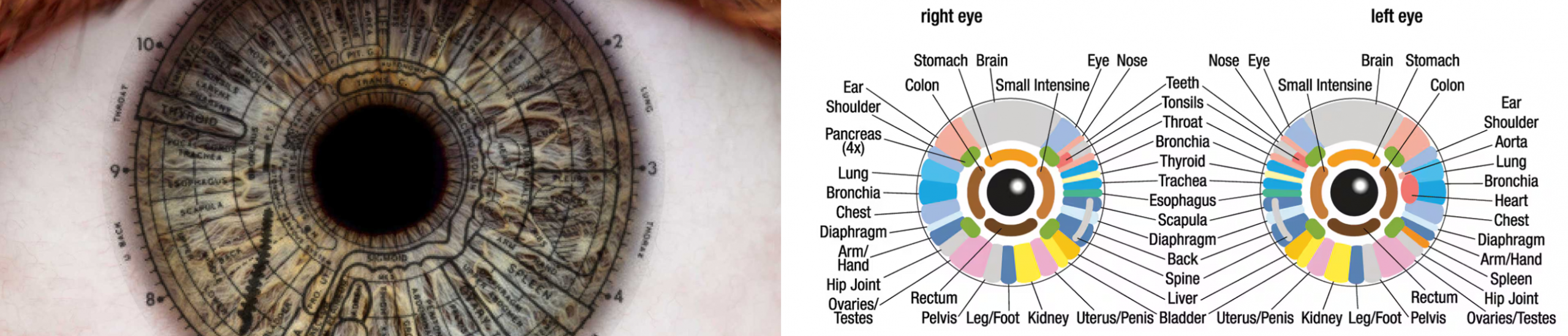
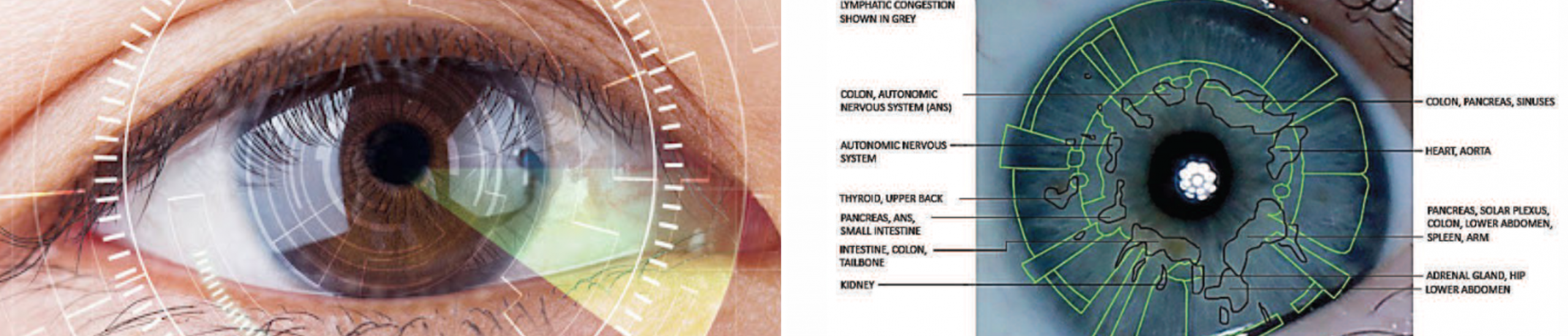
Iridology is a precise, non-invasive system of health analysis that examines the iris to assess constitutional strengths, inherent weaknesses, and patterns of imbalance within the body. The iris is composed of thousands of microscopic nerve fibres (trabeculae) that reflect information about organ systems, tissue integrity, nervous system function, and the body’s adaptive responses to lifestyle, stress, and environment.

This comprehensive certification program offers an in-depth, clinically focused exploration of iridology as a professional assessment tool. Students are trained to observe and interpret physical, emotional, and constitutional patterns as revealed through the iris, sclera, and pupil. Emphasis is placed on understanding how genetic predispositions, physiological stressors, and emotional tendencies present in the eyes, allowing practitioners to gain meaningful insight into a client’s overall terrain.

The course integrates multiple internationally recognized iridology systems, including European Constitutional Iridology, Australian Iridology, Dr. Bernard Jensen’s North American methods, Pupil Tonus, Sclerology, and Rayid (personality-based iridology). Through theory, visual analysis, and hands-on case studies, participants develop the skills needed to confidently apply iridology within a professional clinical setting.
Learning Outcomes

Throughout this course, students will gain the ability to:

• Understand the historical development and scientific foundations of iridology
• Identify topographical iris signs and relate them to organ systems and bodily processes
• Interpret constitutional types, tissue states, and stages of degeneration or inflammation
• Analyze psychological, emotional, and neurological patterns reflected in the iris
• Apply European colour analysis and constitutional “cloth” types
• Assess nervous system tone through Pupil Tonus
• Interpret scleral markings using sclerology
• Conduct complete iris analyses using real client images and case studies
• Integrate iridology findings into a professional wellness or clinical practice


Sessions 1 & 2

DATES: Tuesday February 10 + Tuesday February 17
MAIN CONCEPTS: Foundations of Iridology & Iris Mapping
Students are introduced to the origins and evolution of iridology, from early discoveries to modern clinical application. These sessions establish a strong foundation in iris anatomy, chart development, and topographical iris signs. Emphasis is placed on understanding how the iris reflects systemic health, constitutional tendencies, and the roots of disease. Students begin learning how physical, neurological, and emotional patterns are represented in the iris.

Session 3 & 4

DATES: Tuesday February 24 + Tuesday March 3
MAIN CONCEPTS: Nervous System, Brain Markings & System Pathways
Building on foundational knowledge, these sessions explore psychological and physiological brain markings in the iris and their clinical interpretations. Students study stages of nerve supply depletion, iris zones, and how digestion, assimilation, elimination, and nervous system pathways are reflected in the eyes. This phase deepens understanding of how chronic stress and imbalance affect overall health patterns.

Session 5 & 6

DATES: Tuesday March 10 + Tuesday March 24
MAIN CONCEPTS: European Colour Analysis & Constitutional Patterns
Students are introduced to European colour analysis and constitutional “cloth” types, learning how iris pigmentation, density, and fibre structure reveal inherited strengths and weaknesses. Common constitutional imbalances are examined, and students begin synthesizing information from previous sessions to form a more complete health picture.

Session 7 & 8

DATES: Tuesday March 31 + Tuesday April 7
MAIN CONCEPTS: Rayid Personality Analysis & Common Ailments
These sessions introduce Rayid iridology, a personality-based system that links iris patterns to behavioural tendencies, emotional responses, and communication styles. Students also learn the iris indicators associated with the 14 most common ailments, gaining practical insight into how chronic patterns present visually in the eyes.

Session 9

DATE: Tuesday April 14, 2026
CONCEPTS: Case Studies & Clinical Interpretation
Through guided case studies, students review real iris images and markings, learning how to connect signs and patterns into cohesive clinical interpretations. Emphasis is placed on accuracy, observation skills, and developing professional confidence when analyzing complex presentations.

Session 10 & 11

DATES: Tuesday April 21 + Tuesday, April 28
MAIN CONCEPTS: Practical Iris Analysis & Pupil Tonus
These hands-on sessions focus on student-submitted iris photos and practical application. Students learn to assess pupil size, shape, and responsiveness through Pupil Tonus, gaining insight into nervous system balance, stress adaptation, and vitality. This section bridges theory and real-world practice.

Session 12-14

DATES: Tuesday May 5, 12, 19
MAIN CONCEPTS: Advanced Pupil Tonus & Sclerology
Students continue refining pupil analysis skills while expanding into sclerology—the study of scleral markings. These sessions examine vascular patterns, inflammatory indicators, and systemic stress responses visible in the sclera, adding another layer of assessment to the iridology toolkit.

Session 15

DATE: Tuesday May 26
MAIN CONCEPT: Final Exam Review
A comprehensive review session prepares students for the final exam. Key concepts, constitutional patterns, and interpretation frameworks are revisited, with time for clarification and integration of course material.

Session 16

DATE: Tuesday June 2
MAIN CONCEPT: Final Exam & Professional Practice Development
The course concludes with the final examination, followed by practical guidance on establishing a successful iridology practice. Topics include professional application, client communication, ethical considerations, and integrating iridology into an existing wellness or clinical framework.


Access to Material:

THE DAY BEFORE the course starts registered students will receive an email with LINKS to:

— A copy of the complete Course Outline with final exam date
— Zoom Login and Password
— Digital Course Notes/Power Point Presentation Session 1 of 16 followed by sessions 2 to 16 after the first class ends
— Every session’s replay will be sent to students before 12:00 noon Eastern, the next day
— Recordings remain LIVE for 2 months after the course ends
— Registrants are encouraged to join the course’s registrant discussion group

Can’t Make The Day & Time? We’ve Got You.
Learn Through Recordings!

If your schedule doesn’t allow you to attend classes in real time, join us through recordings. Many of our Continuing Education students are busy practitioners and professionals, balancing work, family and other commitments so we understand that flexibility is necessary. Replay access and completion options are arranged on a case-by-case basis to ensure you still receive the full educational value of the course and have engagement with the faculty member and other registrants.

Students who complete the required examination or assignments by the designated deadlines are eligible to receive a Certificate of Completion.

If you’re interested in accessing replays or exploring flexible participation options with your schedule, please contact Julia Briski at julia@instituteofholisticnutrition.com for more information.

Please review IHN’s Online & In-Class Continuing Education Course/School Policies

Certification & Professional Practice

Iridology is not a government-regulated modality in Canada or the United States, and sessions are not covered by insurance benefits. However, graduates are permitted to operate iridology practices immediately upon successful completion of the course.

Students who pass the final examination are awarded the C.Ir. (Certified Iridologist) designation. This credential demonstrates comprehensive training through a recognized institution and provides professional credibility when working with clients. The iridology systems taught in this program are internationally recognized in countries where iridology is practiced.