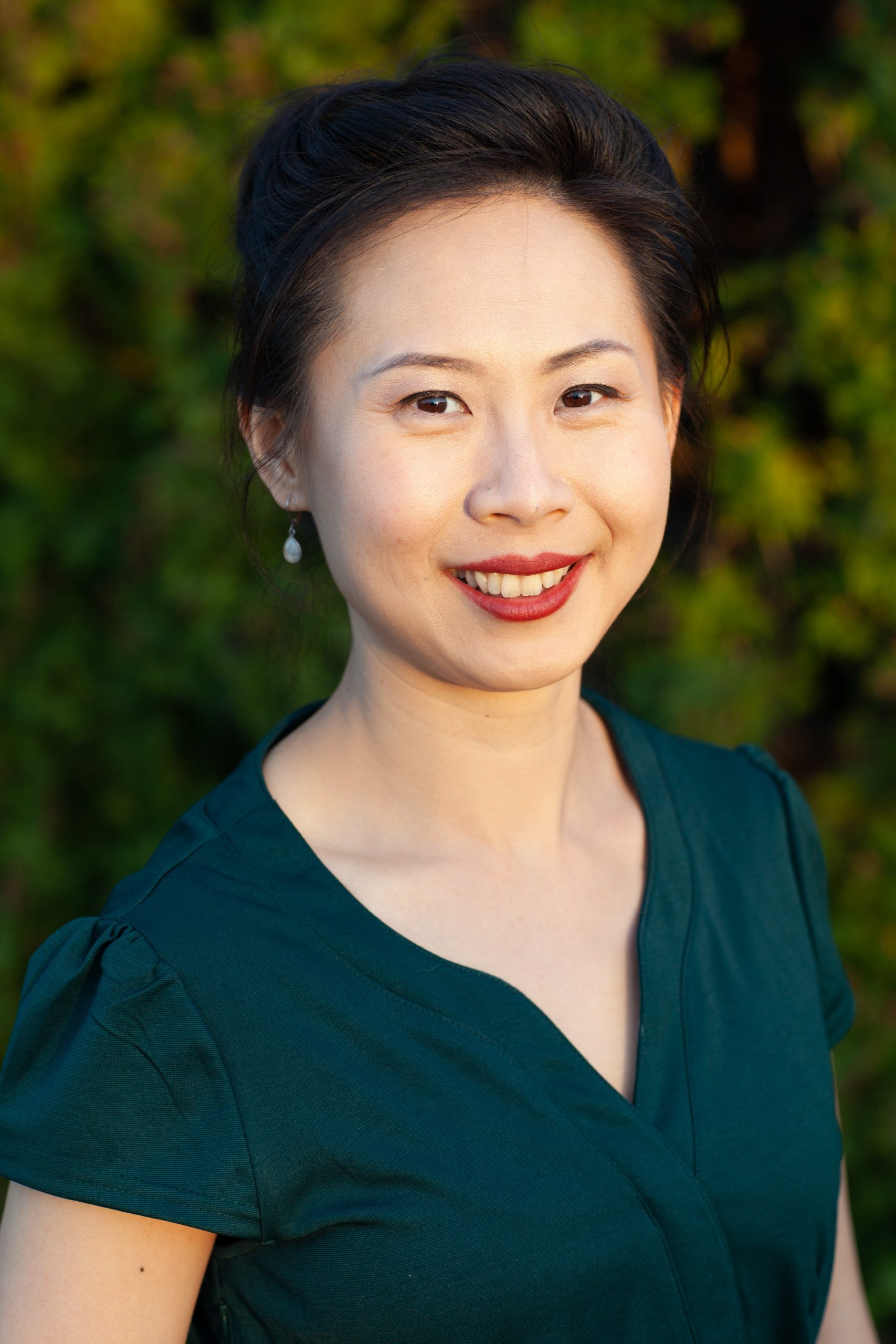
Tahlia head shot

Tahlia Sage BSc., CNP

Tahlia Sage is a Registered Naturotherapy Practitioner, Certified Nutritional Practitioner, and Herbalist with a Bachelor of Science in Food, Nutrition & Health from the University of British Columbia, providing her with a strong scientific foundation in evidence-based nutrition. She is also a Certified Live & Dry Blood Analyst and DNA Analyst, further enhancing her ability to assess health concerns at a deeper level.
.
Her expertise in holistic nutrition, gained at the Institute of Holistic Nutrition, enables her to uncover underlying health imbalances rather than merely addressing symptoms. To bridge natural and conventional approaches, she pursued a Diploma in Traditional Naturopathy at the Alternative Medicine College of Canada, expanding her knowledge and appreciation of natural health modalities. Tahlia is a trained Herbalist from Wild Rose Herbal College, where she developed a comprehensive understanding of herbal medicine.
.
With over 10 years of experience in her practice, Tahlia Sage Wellness, and six years of teaching experience as a faculty member at The Institute of Holistic Nutrition, Tahlia’s clinical focus is supporting clients in taking their power back from complex health challenges in the area of endocrinology and metabolic health. Her approach is holistic, non-invasive, and proactive, integrating natural modalities and lifestyle strategies to support the body’s innate ability to heal.
.
She believes that symptoms are the body’s way of communicating underlying imbalances. Through individualized wellness plans and client education, she empowers clients to understand their health on a deeper level and take an active role in their well-being.
.
Tahlia teaches Nutrition through the Lifespan, Nutritional Symptomatology Part 1, and Nutritional Symptomatology Part 2 for IHN’s Online Pacific Diploma program as well in our Continuing Education programming with Advanced Metabolic & Endocrine Transformation Framework.

  • NS 003 Nutritional Symptomatology Part I

    Nutritional Symptomatology Part 1 introduces students to the foundations of clinical nutrition by interpreting physiological symptoms and their relationships to nutritional deficiencies, excesses and toxicities. This course introduces the interrelationships of nutrients and the critical role they play in determining optimal health. Students will develop foundational, as well as condition specific, protocols to restore the body’s balance. This course trains students to understand how physiological symptoms reflect and determine an individual’s nutritional status. Concepts taught include the essential principles of biochemical individuality through i.e. genetics, environment, microbiome, to see each client, and themselves, as truly unique. Students are taught to produce, and are evaluated on, the completion of clinical case study sets. Learning Outcomes: • Gain insight into physiological symptoms associated with nutrient deficiency • Develop professional food, supplement, lifestyle and detox protocols as they relate to specific clinical symptoms • Learn detailed explanations of underlying causes of disease and their relationship to food from a cellular to systems perspective • Understand how to develop comprehensive strategies with a focus on natural remedies for resolving common and complex issues Nutritional Symptomatology Part 1 explores the process of holding consultations using a variety of practitioner-level assessment tools to move clients towards favourable outcomes. Students learn the critical role that biochemical individuality plays in determining results-based personalized nutrition.

  • NLS 010 Nutrition through the Life Span

    Nutrition Through the Lifespan addresses macro and micronutrient needs based on the lifespan model. A healthy nutritional status is vital throughout every stage, supporting pregnancy outcomes, growth, and aging. This comprehensive course begins with the foundations of essential nutrients for fertility and pregnancy; pediatrics including lactation with particular attention to infant feeding in the first year; navigating childhood nutritional demands; to adolescence including allergies and disorders as they relate to the repercussions of nutritional deficiencies. Early adulthood, midlife and mature adulthood for women’s and men’s health is explored, adding lifestyle and environmental factors that contribute to optimal health at each life stage. Support for nutritional challenges faced in geriatric nutrition round out the program. This course introduces students to the etiology and symptoms of common health conditions that are a key determinant of nutritional status. Evaluations through tests and case studies examine individualized dietary requirements, giving students the insight and ability to design optimal nutrition, supplement and lifestyle guidance for clients throughout their stages of life. Learning Objectives: • To understand nutritional choices impact overall health and vitality, for all age groups and their related conditions • Students will develop protocols that include dietary, detox, supplementation and lifestyle recommendations at all stages • To gain an understanding of the significant nutritional needs for optimal pregnancy, growth, and development • To analyze and address contributing factors in the elimination of food allergies and intolerances, particularly for children • Address the imperative nature of optimal digestive health, at all stages Nutrition Through the Lifespan contributes to keen insights into the lifespan model to address conditions and imbalances. Using a case study approach, this course is highly applicable, giving students the opportunity to research and develop key protocols for diverse age ranges.

  • NS 003 Nutritional Symptomatology Part 2

    Nutritional Symptomatology Part 2 is an advanced course that builds on the foundational knowledge gained in Nutritional Symptomatology Part 1. This course provides students with a thorough knowledge of the underlying causes of disease and methods to prevent and address them. Practical assessment tools such as the Nutribody Questionnaire, complete Lifestyle and Health History Assessment Forms (i.e. diet, supplementation, medications, activity levels, habits, work, sleep, stress, mindset), pH Testing, Basal Temperature Tests and Hormonal Testing are discussed in their application to clinical nutrition. This course covers complicated symptomatology that informs the development of supplementation, diet, and lifestyle protocols for more complex conditions, including digestive challenges like leaky gut, dysbiosis, and inflammatory bowel states, endocrine dysfunctions with focus on estrogen dominance, adrenals and thyroid, liver and kidney detoxification/support as well as immune system issues, including autoimmune diseases and cancer. Students are taught and evaluated on the design of intricate clinical protocols addressing chronic health conditions. Learning Outcomes • Research and prepare specific strategic plans targeted to resolve chronic conditions to restore homeostasis from a diseased to a healthy state • How to put together all the pieces of your client’s puzzle through what they write on forms and what shows from assessments. Learn to tune in to the complete picture and connecting the dots. Build skills in increasing compliance. • Why opening the doors to the channels of elimination (kidneys, bowel, skin, lungs, liver, and lymphatic) is a crucial first step in healing • Furthering the knowledge on optimizing digestion and clearing waste through the pathways of elimination • Implementation of the five steps to heal the gut concept of, “remove, replace, reinoculated, repair and rebalance”, through the use of customized supplementation (micronutrients, herbals, phytochemicals, homeopathy), lifestyle, environment, and diet • How to asses hormonal imbalances and best approach to overcome various conditions linked to hormone dysregulation and autoimmune diseases • Become comfortable with addressing various cancer scenarios, where a supportive or integrative approach may be quite beneficial to the client • How to develop a multifaceted strategy to resolve many common and complex client cases • When to propose other healing modalities, such as (but not limited to) colon hydrotherapy, coffee enemas, lymphatic massages, CBT, somatic therapy, reflexology, acupuncture, breathwork, and stress reduction modalities that may be helpful for clients Nutritional Symptomatology Part 2 strengthens protocols developed by practitioners who are trained in advanced clinical assessment tools. This course highlights the necessity for critical thinking and evidence-based research in application to chronic health concerns.