

Among the five Blue Zones identified globally, Okinawa, Japan, often called the Okinawa Blue Zone, stands out for its extraordinary concentration of centenarians, individuals who live beyond 100 years, often in remarkable health.
Situated in the southernmost part of Japan, this Blue Zone in Japan has long been a focal point of longevity research, offering insights into how cultural habits, dietary patterns, and social philosophies contribute to extended, vibrant lives.
A Unique Cultural Foundation for Longevity
Okinawa’s Blue Zone longevity is not an accident of genetics alone; it is deeply rooted in a culture that prioritizes balance, connection, and purpose. At the heart of Okinawan society lies the concept of Ikigai, meaning “a reason for being.” This intrinsic sense of purpose, especially prevalent among the elderly, is recognized as a critical factor in mental and emotional well-being, directly influencing life expectancy.
Another cultural pillar is the practice of Moai, a lifelong social support network where groups of friends commit to supporting each other throughout life. This system fosters deep social bonds, reducing isolation and providing emotional resilience, which modern science increasingly links to better health outcomes.
The Okinawan Diet: A Nutritional Model of Moderation and Diversity
Diet plays a central role in why Okinawa, Japan is considered a Blue Zone. Unlike Western diets characterized by excess, the Okinawan diet is plant-based, low in calories, yet nutritionally dense. Key features include:
- Abundance of Vegetables: Particularly green leafy vegetables like goya (bitter melon), sweet potatoes, and seaweed.
- Legumes: Especially soy-based foods such as tofu and miso.
- Whole Grains and Rice: Often eaten in moderation alongside vegetables.
- Minimal Meat and Dairy: Animal products are consumed sparingly, primarily as flavoring rather than the main dish.
- Herbs and Spices: Such as turmeric, which has recognized anti-inflammatory properties.
Okinawans also follow Hara Hachi Bu, a Confucian teaching that advises eating until one is 80% full. This practice supports caloric moderation and is often cited as one reason the Okinawa Blue Zone diet is linked with longevity.
Lifestyle Beyond the Plate
Longevity in the Okinawa Blue Zone cannot be attributed to diet alone. Several other daily practices contribute to their healthspan:
- Natural Movement: Physical activity is seamlessly integrated into daily life through gardening, walking, and traditional martial arts like karate.
- Stress Reduction: Practices such as meditation, prayer, and spending time in nature help manage stress effectively.
- Spirituality and Ancestral Reverence: Cultural rituals honoring ancestors provide a sense of continuity and community belonging.
Lessons for Modern Health
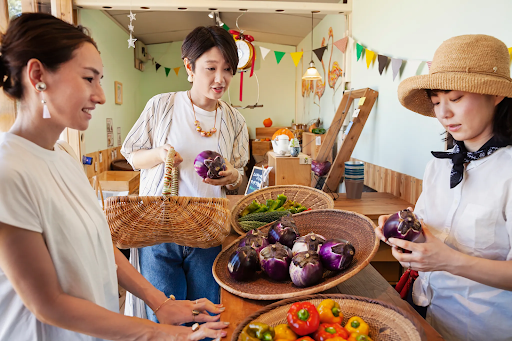
The Okinawa Blue Zone offers a longevity model that can be adapted to modern lifestyles:
- Prioritize plant-based, nutrient-rich diets.
- Cultivate a sense of purpose (Ikigai).
- Maintain strong social connections (Moai).
- Engage in regular, low-intensity physical activities.
- Practice mindful eating habits, such as Hara Hachi Bu.
These elements, collectively, demonstrate that longevity is a multifactorial outcome of cultural wisdom, lifestyle, and environment.
Final Thoughts
Okinawa, Japan, exemplifies why Blue Zones are studied for longevity, showing how traditional practices, nutrition, and collective well-being can support longer, better-quality lives. As we continue this Blue Zones Series, we will explore the other regions that share this remarkable trait of longevity, uncovering more pathways to health that transcend borders.
Interested in reading more about Blue Zone regions and their respective diets? Explore our Blue Zones article series.

Institute of Holistic Nutrition
Specialists in holistic nutrition education and practitioner training for over 30 years
Articles published on the Institute of Holistic Nutrition Blog are reviewed by IHN’s academic and practitioner team and informed by decades of experience in holistic nutrition education and professional health training across Canada and internationally. Content is developed using evidence-informed nutritional principles and carefully selected research references to provide readers with clear, reliable, and educational information on holistic health and nutrition.