

How Micronutrients Shape Brain Chemistry
Mental health is often approached through psychology, stress, and emotional experience. While these dimensions matter, they rest on a biochemical foundation that allows the brain to function, adapt, and regulate emotion. Vitamins and minerals act as essential cofactors in neurotransmitter synthesis and thus affect neuronal signaling. This will shape how the brain communicates internally and responds to its environment. In addition to neurotransmitter production, micronutrients can decrease neuroinflammation and oxidative stress, improve mitochondrial energy production, and affect gut–brain signaling, all of which contribute to cognitive stability and emotional regulation.
Micronutrients Influence Mental Health
When micronutrient intake is insufficient, mental and emotional symptoms frequently appear before obvious physical signs. For students and practitioners of holistic nutrition, understanding these relationships provides critical context for evaluating mental health. Emerging research suggests that subclinical deficiencies in micronutrients may alter immune signaling, stress responsiveness, and synaptic plasticity, reinforcing the importance of good nutrition in maintaining neurological resilience.
Magnesium and Nervous System Regulation
Magnesium plays a central role in regulating neural excitability. It promotes calming pathways and inhibits excitatory signals. This can help nervous system transition out of stress-dominant states and into recovery. When magnesium availability is low, neural signaling may become overly excitable, contributing to restlessness, anxiety, muscle tension, and disrupted sleep. Magnesium also modulates NMDA receptors involved in excitatory neurotransmission, helping prevent excessive stimulation that may heighten stress sensitivity and impair synaptic balance.
Modern diets, chronic psychological stress, and increased metabolic demand all raise magnesium requirements, making marginal intake common even in calorie-sufficient diets. Research suggests that magnesium status may also influence regulation of the HPA axis (hypothalamic–pituitary–adrenal axis) thereby affecting the physiological stress response and recovery capacity.
B Vitamins and Neurotransmitter Synthesis
Vitamins B6, folate, and B12 are essential for neurotransmitter production and cellular energy metabolism within the brain. These nutrients support the synthesis of serotonin, dopamine, and norepinephrine which are chemical messengers involved in mood regulation, motivation, focus, and emotional resilience. They also participate in transferring methyl groups, pathways necessary for nucleotide synthesis and amino acid homeostasis as well as DNA methylation and gene expression within neural tissue. These processes influence long-term cognitive and emotional regulation.
Insufficient B-vitamin status can impair these pathways, contributing to low mood, irritability, mental fatigue, and cognitive inefficiency. Vitamin B12 levels are a particular concern due to its limited dietary sources and difficulty in absorption. Inadequate vitamin B12 levels may contribute to elevated homocysteine levels, which have been associated with neuroinflammatory processes and vascular changes affecting brain health.
Choline and Cognitive Function
Choline is an essential nutrient required for the synthesis of acetylcholine, a neurotransmitter involved in learning, memory, and neuromuscular communication. Through its role in phosphatidylcholine production, choline supports membrane integrity and receptor function, supporting efficient signaling between brain cells.
Despite its importance, choline intake is often inadequate, particularly in individuals who limit eggs or animal-based foods. Emerging research also highlights the importance of choline during development, where sufficient intake supports structural brain formation and long-term cognitive outcomes.
Vitamin D and Neuroimmune Signaling
Vitamin D functions as a hormone with widespread effects in the brain. It plays a role in neuroimmune regulation, neuroprotection, and synthesis of neurotransmitters such as serotonin, dopamine and GABA. Vitamin D receptors are distributed throughout several brain regions associated with mood and executive function including the prefrontal cortex and amygdala. The active form of vitamin D influences gene expression related to immune modulation and neuronal growth.
Vitamin D deficiencies have been linked to depression, anxiety and seasonal affective disorder. Vitamin D levels are a particular concern in populations with limited sun exposure since most of our vitamin D is synthesized in the skin by ultraviolet rays. The interaction of vitamin D with inflammatory cytokines and neurotransmitter pathways further illustrates its role in immune-brain communication.
Zinc and Stress Adaptation
Zinc supports synaptic plasticity, immune signaling, and stress-response regulation within the brain. Zinc deficiency is linked to depression and anxiety. Low levels may affect emotional stability by altering neurotransmitter activity and affecting communication between the immune system and the brain. Zinc regulates gene expression and activates dozens of enzymes involved in neuronal metabolism. One of these enzymes is superoxide dismutase which is important in reducing oxidative stress. Zinc modulates glutamatergic signaling within synaptic pathways, contributing to cognitive flexibility and adaptive stress responses.
Inflammation and Mental Health
Emerging evidence suggests that chronic low-grade inflammation plays a meaningful role in mood and cognitive disorders. Inflammatory mediators can influence neurotransmitter metabolism, reduce neuroplasticity, and alter stress responsiveness. Micronutrients such as zinc, vitamin D, magnesium, and B vitamins contribute to the body’s ability to regulate immune responses. This is key to having the right balance between stimulating immunity to protect from disease and suppressing overactivity immunity that could damage tissues.
When diets do not provide sufficient micronutrient density, immune regulation may become less efficient, potentially influencing emotional resilience and cognitive clarity. This connection reinforces the importance of systemic physiological balance in mental well-being.
Oxidative Stress and Neuroprotection
The brain’s high metabolic activity makes it particularly vulnerable to oxidative stress. Reactive oxygen species can disrupt neuronal membranes, impair mitochondrial function, and interfere with neurotransmitter synthesis. Micronutrients such as vitamin B2, vitamin D and zinc contribute to antioxidant systems that protect neural tissue from oxidative damage and support cellular repair processes.
Maintaining adequate micronutrient intake supports the balance between produce and removing reactive oxygen species (redox balance), mitochondrial efficiency, and structural integrity within the brain. These are all key factors that influence both cognitive performance and emotional stability.
The Gut–Brain Axis
The gut microbiota represents another pathway through which nutrition influences mental health. Dietary quality shapes microbial diversity and metabolic activity, which in turn affects immune signaling, neurotransmitter production, and intestinal barrier integrity. Vitamins and minerals indirectly support this ecosystem by maintaining epithelial health and regulating inflammatory pathways.
This bidirectional communication between the gut and brain highlights the interconnected nature of nutritional status and psychological outcomes.
Dietary Patterns and Holistic Perspective
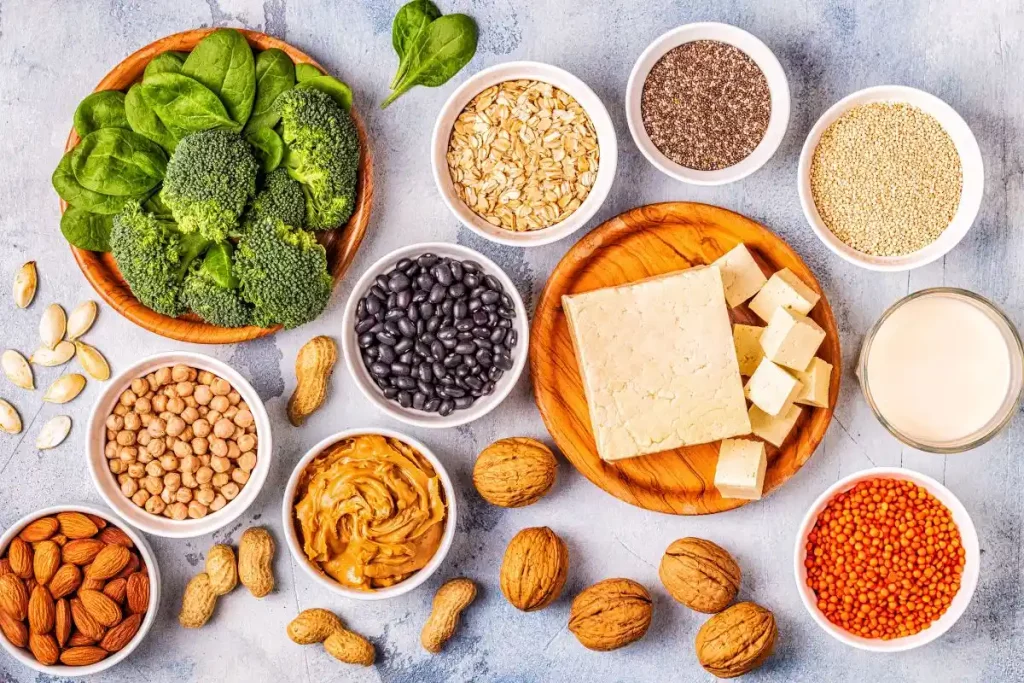
While individual micronutrients play specific biochemical roles, research increasingly emphasizes overall dietary patterns. Diets rich in whole foods, diverse plant sources, adequate protein, and micronutrient density provide synergistic support for neurological function. Conversely, dietary patterns dominated by highly processed foods may contribute to nutrient insufficiency and inflammatory stress.
A holistic approach to nutrition recognizes that mental health is influenced by cumulative dietary exposures rather than isolated nutrients alone.
Key Educational Takeaway
Micronutrients operate as an interconnected biochemical network that underpins mental clarity, emotional regulation, and cognitive endurance. Nutrient sufficiency is not a standalone solution for good mental health, but it is a foundational layer upon which neurological resilience is built.
Understanding mental health from a nutritional perspective does not replace psychological or medical care; rather, it complements them by addressing the biological systems that support optimal brain function. Ensuring adequate micronutrient intake through balanced, nutrient-dense dietary patterns remains a core principle in supporting long-term neurological and emotional well-being.
References
[1] Mental Health and Micronutrients: A Narrative Review. Baik HW summarizes evidence linking individual micronutrients (B vitamins, vitamin D and zinc) with mental health outcomes. https://e-acnm.org/journal/view.php?doi=10.15747%2FACNM.2024.16.3.112
[2] The Impact of Nutrients on Mental Health and Well-Being. Muscaritoli reviews how specific nutrients (omega-3s, magnesium, folic acid) relate to stress, anxiety, and cognitive health. https://www.frontiersin.org/journals/nutrition/articles/10.3389/fnut.2021.656290/full
[3] Review: The Interplay Between Nutrition and Mental Health. Nutritional review covering micronutrient effects on neurotransmitters, mood, and psychological function. https://academic.oup.com/nutritionreviews/article/83/3/562/7833328

Written by Brooke Hutchison, CNP
Certified Nutritional Practitioner
Brooke Hutchison is a holistic nutrition practitioner who graduated with honours from the Institute of Holistic Nutrition in 2020. She has completed advanced continuing education in supplementation in clinical practice, lab diagnostics, iridology, and naturally designed pregnancy and early childhood nutrition. Brooke also holds an honours certification as a Certified Culinary Nutrition Expert and contributes to practitioner-level nutrition education through community health programming, professional development initiatives, and wellness-focused publications.